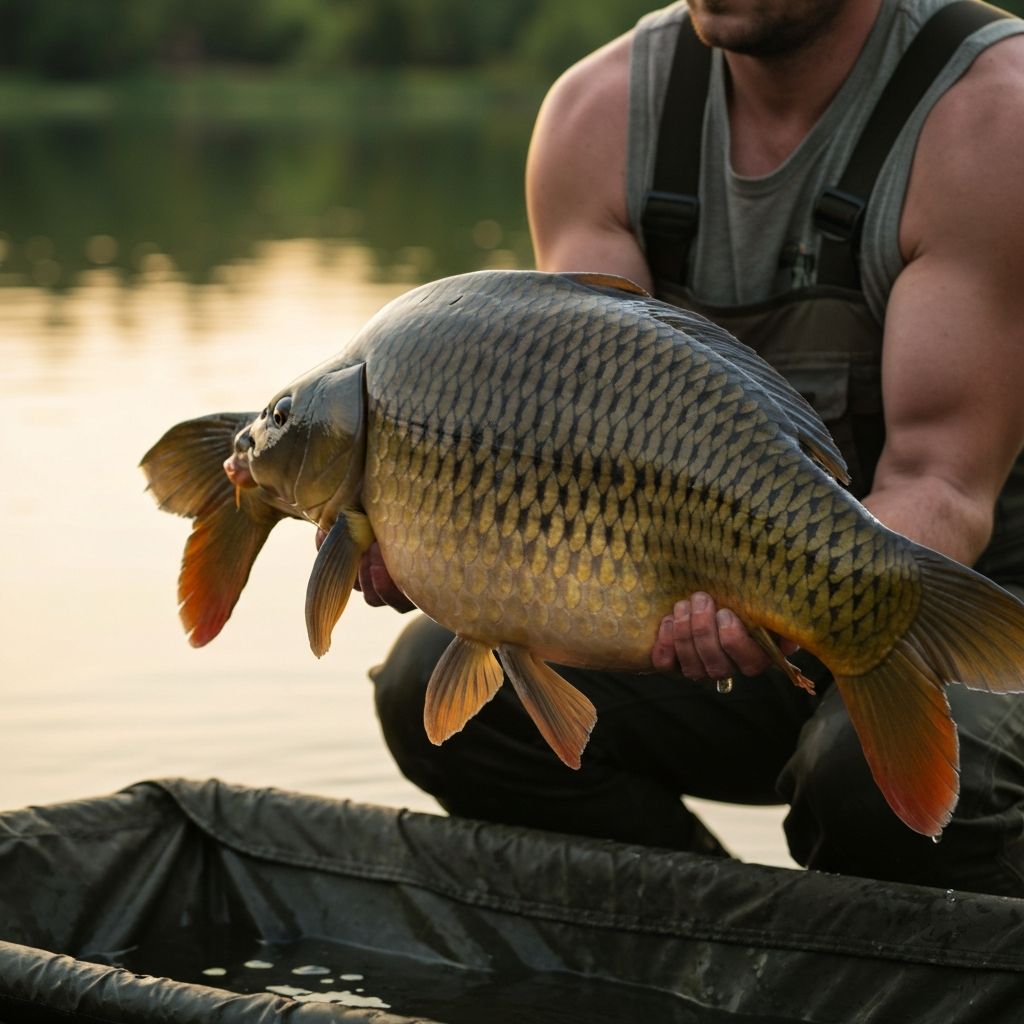
Spring Carp Fishing: The Best Tactics for Hungarian Waters
Spring is the golden season for carp anglers. As carp emerge from winter lethargy and feed aggressively, the right approach can produce remarkable results.
Why Spring is the Best Season for Carp
As water temperatures begin to rise above 10°C in late March and April, common carp in Hungarian lakes and rivers become increasingly active. After months of low metabolic activity during winter, they enter an intense feeding phase to recover lost condition and prepare for spawning. This window - typically from mid-April through to late May - represents the single best period of the year to target large carp.
The fish move into shallower, warmer water first. South-facing bays and margins that receive the most sunlight are the obvious starting points. Look for areas with dark silt bottoms, which absorb heat faster than gravel or sand.
Reading the Water in Spring
One of the most reliable signs of spring carp activity is visual: fish rolling or basking near the surface in the early morning sun. Walk the banks before setting up and take the time to observe. A carp spotted sunning itself in a shallow bay at 7am is almost certainly a catchable fish by midday.
Underwater features remain as important as ever. Plateaus and bars at 1–2 metres depth are prime spring feeding areas, particularly where silt meets gravel. These transition zones concentrate natural food - bloodworm, snails, and small invertebrates - which carp are actively rooting for in spring.
Bait Selection for Spring
In cooler spring water, high-protein baits outperform high-carbohydrate mixes. Fishmeal-based boilies in the 15–18mm range are an excellent starting point. Natural flavours - krill, squid, and shellfish - tend to work particularly well in the early season when water is still relatively cold and clearer.
Do not overload your swim with bait. In spring, carp are feeding selectively rather than gorging. A single large PVA bag of crushed boilies and pellets with each cast is more effective than a full spread of loose feed. Once you start catching, you can gradually increase the amount of bait in the swim.
Rig Choices for Spring Carp
Keep rigs simple and reliable. A basic hair rig with a size 6–8 wide gape hook is hard to beat. The pop-up rig - a buoyant bait balanced just off the bottom - can be particularly effective in spring when carp are feeding confidently and moving with purpose over the lakebed.
Lead size depends on conditions. In soft silt, a flat pear lead of 60–80g will sink in and anchor firmly. On harder gravel bottoms, a lighter inline lead keeps the rig more mobile and can produce better hook holds.
Location: The Best Hungarian Waters for Spring Carp
The shallow bays of Lake Balaton warm up quickly in spring and offer excellent early-season sport. The reed-lined edges of the Danube backwaters between Budapest and the southern border hold large resident carp populations. On the Tisza, the stretches with extensive floodplain margins and connected oxbow lakes are particularly productive from April onwards.
Managed fisheries and private lakes typically produce their best carp fishing slightly earlier in spring than natural open waters, as they tend to be shallower and warm faster. If you are targeting your personal best, this is worth considering.
Practical Tips
- Fish during the warmest part of the day in early spring - afternoon sessions outperform dawn sessions until water temperatures stabilise above 14°C.
- Keep noise and bank disturbance to an absolute minimum - carp in shallow spring water spook very easily.
- Use fluorocarbon hooklinks rather than braid in clear spring conditions for better concealment.
- Pre-bait regularly if you have access to a specific swim - even small amounts placed consistently over several days before you fish can transform results.